

Introduction
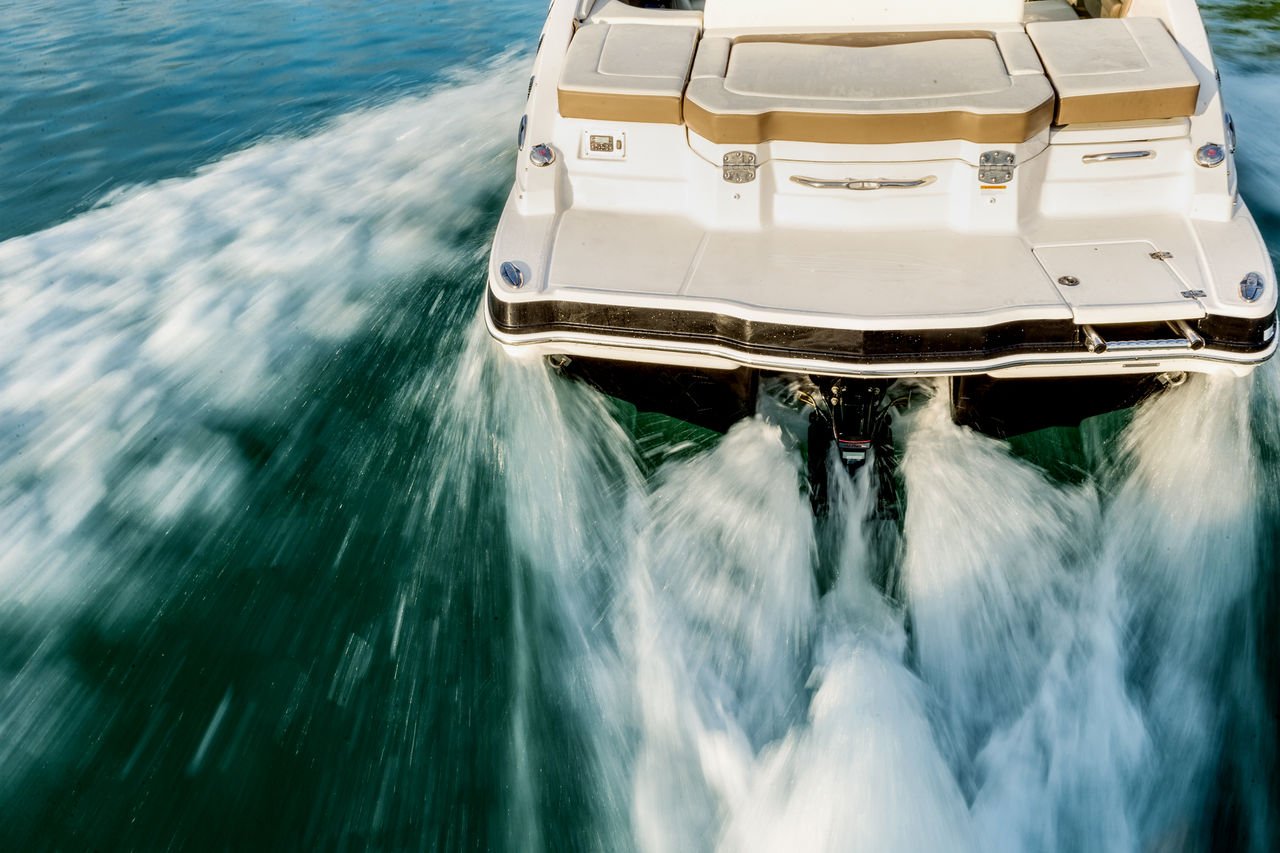
Alt Text: “Inboard motor inside a boat showing components”
Inboard motors are the powerhouse of many boats, delivering reliable performance for watersports, cruising, and fishing. But what makes them tick? In this guide, we’ll dive into the technical workings of inboard motors, covering their essential components, how they generate power, and why they’re a top choice for many boat owners. Whether you’re a new boat owner or an enthusiast, understanding the mechanics of inboard motors can help you make the most of your boating experience.
1. Overview of Inboard Motors
Inboard motors are installed within the hull of the boat, and unlike outboard motors, they rely on a shaft drive system to transfer power to the propeller. This internal placement provides a low center of gravity, contributing to a smooth ride and greater stability.
Key Components of Inboard Motors:
- Engine Block: The main source of power generation.
- Transmission: Connects the engine to the propeller shaft.
- Propeller Shaft: Extends through the hull to the propeller, driving the boat forward.
- Cooling System: Manages engine temperature to prevent overheating.
Explore our full range of inboard motors for various boat types [internal link to inboard motors category].
2. How Inboard Motors Generate Power
At the core of every inboard motor is the engine block, typically a four-stroke gasoline or diesel engine. In a four-stroke engine, fuel is ignited to create a controlled explosion, driving pistons that turn the crankshaft. This rotational energy is then transferred to the transmission.
Alt Text: “Engine block of an inboard motor with crankshaft and pistons”
Steps in Power Generation:
- Fuel Injection: Fuel is mixed with air and injected into the cylinder.
- Ignition: A spark ignites the fuel-air mixture, causing an explosion that moves the piston.
- Rotation: The piston’s movement rotates the crankshaft.
- Transmission Connection: The crankshaft’s rotation transfers to the propeller via the transmission.
Related Video: Watch our video demonstrating how inboard engines generate power for smooth boating.
3. Understanding the Transmission System
The transmission system connects the engine to the propeller shaft, allowing the engine’s power to drive the boat. This setup is critical because it manages the speed and direction of the boat by controlling the propeller’s rotation.
Forward and Reverse Mechanism
Inboard motors use a gearbox or reduction gear to reverse the direction of the boat. When you shift into reverse, the gearbox reverses the propeller’s rotation, allowing the boat to move backward.
Alt Text: “Inboard motor transmission system showing gearbox and propeller shaft”
Check out our maintenance guide to learn about caring for your inboard motor’s transmission [internal link to maintenance guide].
4. The Propeller Shaft and Propeller: Moving the Boat
The propeller shaft extends through the hull and connects to the propeller. The shaft’s rotation, driven by the engine, causes the propeller to turn, pushing water backward and propelling the boat forward. The propeller’s design, size, and blade angle play a significant role in determining speed, fuel efficiency, and overall performance.
Types of Propellers
- Fixed-Pitch Propellers: These have a set blade angle and are commonly used due to their durability.
- Adjustable-Pitch Propellers: Allow for blade adjustments, offering flexibility in different water conditions.
Learn more about the best propellers for inboard motors [internal link to propeller guide].
5. The Cooling System: Preventing Overheating
Inboard motors rely on a cooling system to regulate engine temperature. Most inboard motors use a raw water cooling system, which pulls water from the environment to cool the engine, then expels it back into the water. Alternatively, some inboards use a closed-loop cooling system, where coolant circulates through the engine without direct contact with external water.
Alt Text: “Cooling system diagram for inboard motor showing water intake and outflow”
Types of Cooling Systems:
- Raw Water Cooling: Uses external water for direct cooling, ideal for freshwater.
- Closed-Loop Cooling: Uses a heat exchanger with coolant, more suitable for saltwater use.
For more on how to protect your engine from saltwater damage, see our article on boating in saltwater [internal link to saltwater maintenance guide].
6. Benefits of Inboard Motors
- Greater Stability: Positioned within the hull, inboard motors offer a lower center of gravity, which contributes to better handling and stability.
- Ideal for Watersports: Inboards are popular in watersports because of their consistent towing power and smooth performance.
- Durability: Built for longevity, inboards are ideal for long-distance boating and withstand rough water conditions.
External Link: For further insights into the advantages of inboard motors, visit Boat Motor Magazine’s Guide to Inboard Motors.
7. Common Maintenance Practices
Routine maintenance of an inboard motor ensures long-lasting performance. Regular tasks include oil changes, cooling system flushing, and transmission checks. Performing these tasks can prevent costly repairs and keep your motor in top condition.
Alt Text: “Mechanic performing maintenance on an inboard motor”
Checklist for Inboard Motor Maintenance:
- Change engine oil regularly.
- Check and replace transmission fluid as needed.
- Flush the cooling system, especially after saltwater use.
- Inspect propeller for any damage.
For a complete maintenance schedule for inboard motors, read our detailed guide [internal link to maintenance schedule].
FAQs about Inboard Motors
1. How long do inboard motors last?
With proper maintenance, inboard motors can last between 1,500 to 3,000 hours.
2. What is the best cooling system for saltwater use?
A closed-loop cooling system is better for saltwater environments as it prevents salt buildup within the engine.
3. Are inboard motors more fuel-efficient than outboard motors?
In general, inboard motors can offer better fuel efficiency, especially for larger vessels.
4. How often should inboard motor oil be changed?
For optimal performance, change the motor oil every 50 to 100 hours of use.
See our full FAQ section for in-depth answers to all your inboard motor questions [internal link to FAQ page].
Conclusion
Understanding how inboard motors work can help you make informed choices about maintenance, performance, and upgrades. From the engine block to the propeller shaft and cooling system, each component works together to power your boat efficiently.
Ready to find the perfect inboard motor for your boat? Browse our extensive selection and let our experts assist you in choosing the best option for your needs.
Alt Text: “High-performance inboard motor on display”
Explore our full line of inboard motors for any boating requirement [internal link to inboard motor product page] or contact us for a personalized recommendation [internal link to contact page]*.