

LS Engine Maintenance & Break-In Tips for Maximum Longevity
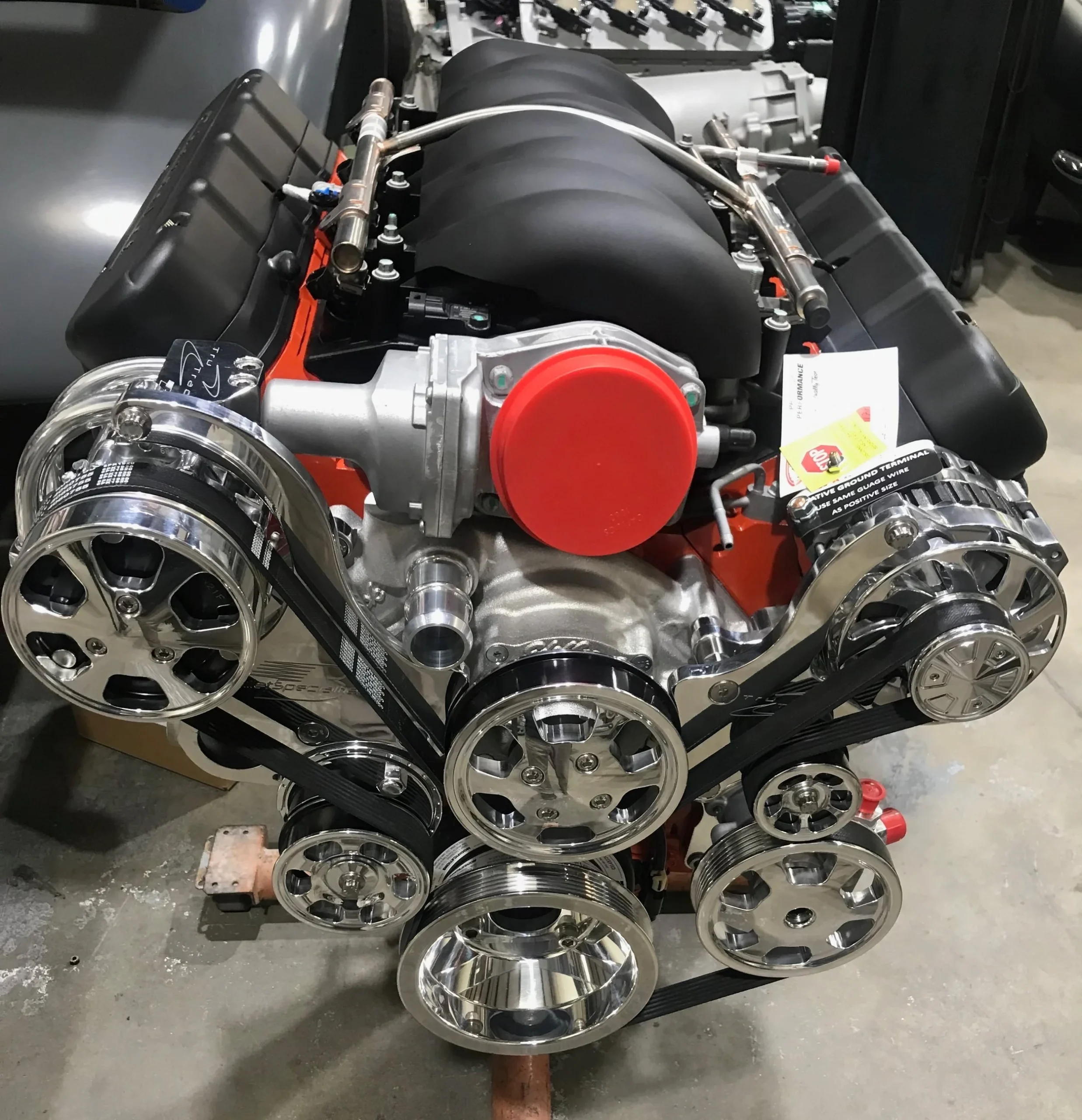
![New LS crate engine on engine stand with fresh paint, ready for installation]
*Caption: A fresh LS engine is a thing of beauty—but how you break it in and maintain it determines whether it lasts 50,000 miles or 200,000+.*
The LS engine family has earned its reputation for durability and reliability. With proper care, these engines routinely log 200,000+ miles in daily-driven vehicles while delivering exceptional performance. But whether you’ve just installed a fresh crate engine, completed a budget junkyard build, or purchased a vehicle with an LS swap, the way you treat that engine in its first hours and throughout its life determines its ultimate longevity.
This comprehensive guide covers everything you need to know about LS engine maintenance and break-in procedures. From the critical first start to 100,000-mile service intervals, we’ll help you maximize the life of your investment.
The Critical First Start: Breaking In Your LS Engine
![Technician connecting diagnostic tools to LS engine for first startup monitoring]
Caption: The first start is the most critical moment in your engine’s life. Proper preparation prevents premature failure.
Your engine’s first 20 minutes of operation are the most important of its entire life. This is when the piston rings seat, camshaft and lifters establish wear patterns, and every component proves its assembly quality. Follow these steps religiously:
Pre-Start Checklist
Before you even think about turning the key:
-
Double-check fluid levels: Oil (primed), coolant, power steering
-
Verify no coolant or fuel leaks: Pressure test if possible
-
Confirm proper ignition timing: Base timing set correctly
-
Check all sensor connections: MAF, O2, crank/cam sensors secure
-
Ensure proper fuel pressure: 58 PSI for returnless, regulated for return-style
-
Battery fully charged: Strong cranking speed essential
-
No tools left in engine bay: Obvious but commonly overlooked
The Break-In Procedure
Phase 1: Initial Start (First 30 Seconds)
-
Crank engine without starting to build oil pressure (disable fuel/spark if needed)
-
Start engine and immediately raise RPM to 1,500-2,000
-
Do not let it idle! Low oil pressure during idle can’t properly lubricate cam lobes
-
Check for leaks, unusual noises, and proper oil pressure immediately
Phase 2: Cam Break-In (First 20 Minutes)
-
For flat-tappet cams: Vary RPM between 1,500-2,500 for 20-30 minutes
-
For hydraulic roller cams (most LS engines): 20 minutes at 2,000-2,500 RPM
-
Monitor coolant temperature closely
-
Check for exhaust leaks at headers
-
Verify charging system operation (13.5-14.5 volts)
Phase 3: Initial Drive (First 50 Miles)
-
Vary engine speed constantly—avoid sustained constant RPM
-
Use engine braking to help seat rings
-
Avoid full-throttle operation
-
Keep RPM under 4,000
-
Check for leaks after each drive
Phase 4: Ring Seating (First 500 Miles)
-
Continue varying RPM during driving
-
Gradually increase engine speed up to 5,000 RPM
-
Avoid sustained highway cruising at constant speed
-
Change oil and filter at 500 miles
-
Inspect oil for metal particles (some is normal, chunks are not)
Pro Tip: The absolute best break-in for piston rings involves engine braking. After accelerating, let off the throttle with the transmission in gear. The vacuum created helps pull the rings against cylinder walls for proper seating.
LS Engine Oil: The Lifeblood of Your Build
![Various bottles of LS-compatible motor oil showing viscosity ratings and certifications]
Caption: Choosing the right oil and changing it on schedule is the single most important factor in LS engine longevity.
Recommended Oil Specifications
| Engine Type | Viscosity | Certification | Capacity |
|---|---|---|---|
| Stock LS (Gen III/IV) | 5W-30 | dexos1 Gen 2 | 5.5-6.0 quarts |
| High-Mileage LS | 5W-30 or 10W-30 | API SN Plus or SP | 5.5-6.0 quarts |
| Built/Performance LS | 5W-30 or 10W-40 | Synthetic racing oil | 6.0-7.0 quarts |
| Forced Induction LS | 5W-40 or 10W-40 | High-zinc synthetic | 6.0-8.0 quarts |
Oil Type Matters:
-
Gen III/IV LS engines require oils with proper anti-wear additives
-
Look for API SN Plus or SP certification—these have appropriate zinc levels
-
Avoid energy-conserving oils with friction modifiers that can cause clutch slip
-
Full synthetic is worth the investment for extended intervals and better protection
LS-Specific Oil Considerations
The Lifter Issue:
LS engines use hydraulic roller lifters that are sensitive to oil formulation. Some newer “resource-conserving” oils reduce zinc and phosphorus (ZDDP) levels that protect high-pressure contact points. For performance builds or engines with aggressive cams, consider oils with elevated ZDDP or add a supplement.
Oil Pressure:
-
Normal hot idle pressure: 20-30 PSI
-
Normal operating pressure: 40-60 PSI
-
Below 10 PSI at hot idle indicates problems
Oil Change Intervals:
| Usage | Oil Type | Interval |
|---|---|---|
| Daily Driver | Conventional | 3,000 miles |
| Daily Driver | Synthetic | 5,000-7,500 miles |
| Performance/Street | Synthetic | 3,000-5,000 miles |
| Track/Autocross | Synthetic | After each event |
| Forced Induction | Synthetic | 3,000 miles |
Pro Tip: Send an oil sample to Blackstone Laboratories at each change. For $30, you’ll get a detailed analysis of engine wear metals, fuel dilution, and coolant contamination—catching problems before they become catastrophic.
LS Cooling System Maintenance
![LS engine cooling system diagram showing coolant flow path through block, heads, and radiator]
Caption: LS engines run hot from the factory. Proper cooling system maintenance is essential for longevity.
LS engines are designed to run hot—typically 195-210°F is normal. But excessive heat kills engines. Here’s how to keep yours cool:
Critical Components
| Component | Inspection Interval | Replacement Interval |
|---|---|---|
| Coolant | Check monthly | 2 years / 30,000 miles |
| Radiator Cap | Check annually | 3-5 years |
| Thermostat | Check if overheating | 5 years / 50,000 miles |
| Water Pump | Inspect for leaks | 5-7 years / 60,000 miles |
| Radiator | Clean annually | 8-10 years |
| Cooling Fans | Test seasonally | As needed |
LS-Specific Cooling Tips
1. Burp the System Properly
LS engines are prone to air pockets. Use a spill-proof funnel and run the engine with the heater on full hot until the thermostat opens and air stops bubbling.
2. Steam Tube Connection
The steam tube from the back of the heads must be properly connected to the cooling system. This bleeds air from the heads and prevents hot spots.
3. Electric Fan Settings
-
Set primary fan to turn on at 205-210°F
-
Set secondary fan (or high speed) at 215-220°F
-
Fans should run after shutoff if coolant exceeds 200°F
4. Coolant Type
Use Dex-Cool compatible coolant or universal aluminum-safe antifreeze. Green “old school” coolant may not protect aluminum components properly.
Warning Sign: If your LS consistently runs over 220°F at cruise or 230°F in traffic, investigate immediately. Repeated overheating cycles can warp heads and blow head gaskets.
Fuel System Maintenance for LS Engines
![LS fuel injectors and fuel rail assembly with high-pressure pump components]
Caption: Modern LS engines require high-pressure fuel systems that demand specific maintenance attention.
LS engines operate at 58 PSI fuel pressure—far higher than old carbureted systems. This requires specific maintenance practices:
Fuel Filter Strategy
| Fuel Type | Filter Location | Replacement Interval |
|---|---|---|
| Pump Gas | In-tank (sock) | 100,000 miles |
| Pump Gas | External inline | 20,000-30,000 miles |
| E85 | External inline | 10,000-15,000 miles |
| Return-Style Systems | Before regulator | 20,000 miles |
Fuel Injector Maintenance
-
Use quality fuel from top-tier stations
-
Add fuel system cleaner every 3,000-5,000 miles (Gumout Regane or Techron)
-
Professional cleaning recommended every 60,000-80,000 miles
-
E85 users: Check injectors annually for corrosion and flow consistency
Fuel Pressure Testing
Test fuel pressure annually or whenever you notice:
-
Hard starting
-
Hesitation under acceleration
-
Poor fuel economy
-
Misfires under load
Normal LS fuel pressure: 55-62 PSI (key on, engine off); 52-58 PSI (idle)
Ignition System Maintenance
![LS ignition coils and spark plugs arranged for replacement service]
Caption: LS coil-near-plug ignition is robust, but spark plugs and boots require regular attention.
LS engines use individual coil packs for each cylinder—a reliable system that still requires maintenance:
| Component | Inspection | Replacement |
|---|---|---|
| Spark Plugs | 30,000 miles | 60,000-80,000 miles |
| Spark Plug Boots | Each plug change | With plugs or when damaged |
| Coil Packs | If misfire occurs | 100,000+ miles |
| Crank Sensor | If no-start | 100,000 miles (preventive) |
| Cam Sensor | If running issues | 100,000 miles |
Spark Plug Specifications
| Engine | Factory Plug | Gap | Torque |
|---|---|---|---|
| 4.8L/5.3L/6.0L (Truck) | AC Delco 41-962 | 0.040″ | 11 lb-ft |
| LS1/LS6 | AC Delco 41-985 | 0.050″ | 11 lb-ft |
| LS2/LS3/LS7 | AC Delco 41-110 | 0.040″ | 11 lb-ft |
| LSA/LS9 | AC Delco 41-115 | 0.035″ | 11 lb-ft |
Pro Tip: Always use anti-seize compound on spark plug threads for aluminum heads. Torque to specification—overtightening can strip threads in the head.
LS Engine Maintenance Schedule
| Interval | Maintenance Tasks |
|---|---|
| 500 Miles | First oil and filter change (after break-in) |
| Every 3,000 Miles | Oil change (conventional), check all fluid levels |
| Every 5,000 Miles | Oil change (synthetic), inspect belts and hoses |
| Every 15,000 Miles | Air filter replacement, inspect spark plugs |
| Every 30,000 Miles | Coolant change, fuel filter replacement, inspect ignition components |
| Every 50,000 Miles | Transmission service, differential service |
| Every 60,000 Miles | Spark plug replacement, inspect/clean injectors |
| Every 100,000 Miles | Complete fluid flush (coolant, brake, power steering), thermostat replacement |
Common LS Issues and Prevention
![LS engine showing common problem areas: oil pressure sensor, knock sensors, and valley cover]
Caption: Knowing where LS engines have weaknesses helps you prevent problems before they occur.
| Problem | Cause | Prevention |
|---|---|---|
| Knock Sensor Failure | Water pooling in valley | Replace with relocated sensors; seal intake |
| Oil Pressure Sensor Failure | Heat cycling, electrical | Use quality replacement; avoid overtightening |
| Valve Cover Gasket Leaks | Age, heat | Replace with quality gaskets; torque properly |
| Rear Main Seal Leaks | PCV issues, age | Maintain PCV system; use quality seals |
| Camshaft Wear | Low zinc oils (flat tappet) | Use proper oil with ZDDP for flat tappet cams |
| Piston Slap | Cold engine, tight tolerances | Normal in cold LS engines; let warm up gently |
| Lifter Tick | Low oil, debris | Regular oil changes; quality oil filters |
The PCV System: Critical and Often Ignored
The LS PCV system is more important than most realize. A clogged PCV can:
-
Build crankcase pressure
-
Blow out rear main seals
-
Cause oil consumption
-
Promote sludge formation
Maintenance:
-
Inspect PCV valve every oil change
-
Replace PCV valve every 30,000 miles
-
Check hoses for cracks and blockages
Storage and Off-Season Care
![LS engine in storage with fogging oil applied and battery maintainer connected]
Caption: Proper storage preparation ensures your LS engine is ready to run after months of inactivity.
If your LS-powered vehicle sits for extended periods:
Short-Term (1-3 Months)
-
Fill fuel tank completely (prevents condensation)
-
Add fuel stabilizer
-
Disconnect battery or use maintainer
-
Start and run to operating temperature monthly
Long-Term (3+ Months)
-
All short-term steps
-
Change oil before storage
-
Fog cylinders with fogging oil (remove spark plugs, spray, crank briefly)
-
Plug intake and exhaust openings (prevent rodent entry)
-
Place rodent repellent in engine bay (mice love wiring)
-
Support vehicle on stands (relieve tire and suspension stress)
Returning to Service
-
Check all fluids
-
Inspect for rodent damage
-
Crank with fuel disabled to build oil pressure
-
Start and verify normal operation
Frequently Asked Questions
Q: How long do LS engines typically last?
A: With proper maintenance, LS engines routinely exceed 200,000-300,000 miles. Countless examples exist of 5.3L truck engines reaching 300,000+ miles with nothing but regular oil changes.
Q: Is it normal for LS engines to tick?
A: Yes—to a point. Injector tick and normal valvetrain noise are common. But loud knocking, persistent ticking that increases with RPM, or metallic sounds require investigation.
Q: What oil is best for high-mileage LS engines?
A: A high-quality 5W-30 synthetic with seal conditioners, such as Mobil 1 High Mileage or Valvoline MaxLife, helps reduce leaks and protect worn components.
Q: How often should I change oil in a performance LS engine?
A: Every 3,000 miles or annually, whichever comes first. High-performance use generates more heat, fuel dilution, and wear than daily driving.
Q: Can I use synthetic oil in a high-mileage LS?
A: Absolutely. Synthetic oil provides better protection, especially in cold starts, and can actually reduce oil consumption in some engines by preventing sludge and deposits.
Q: Why does my LS use oil between changes?
A: Some consumption is normal—typically 1 quart per 1,500-2,000 miles. Excessive consumption may indicate PCV issues, valve guide wear, or piston ring problems.
Q: How do I know if my LS timing chain needs replacement?
A: Timing chain stretch becomes noticeable around 150,000-200,000 miles. Symptoms include:
-
Check engine light (cam/crank correlation codes)
-
Rough idle
-
Loss of power
-
Metal particles in oil
Q: What’s the most important maintenance for a turbo LS?
A: Frequent oil changes (every 3,000 miles max) with high-quality synthetic. Turbos generate extreme heat and stress oil harder than naturally aspirated engines.
Conclusion: Care for Your LS, and It Will Care for You
![Clean, well-maintained LS engine installation in a classic vehicle engine bay]
Caption: A well-maintained LS engine rewards you with thousands of miles of reliable, powerful performance.
The LS engine family is remarkably robust, but no engine can survive neglect. By following proper break-in procedures, maintaining regular service intervals, and addressing small problems before they become big ones, you can expect 200,000+ miles of reliable performance from your LS build.
The keys to LS longevity:
-
Proper break-in during those critical first hours
-
Quality oil and filters changed on schedule
-
Cooling system maintenance to prevent overheating
-
Fuel system care to maintain proper pressure and cleanliness
-
Immediate attention to unusual noises or leaks
-
Regular inspection of belts, hoses, and sensors
Whether your LS powers a daily-driven truck, a weekend warrior track car, or a show-winning resto-mod, these LS engine maintenance practices ensure you’ll spend more time enjoying the drive than wrenching in the garage.
Need parts for your next service? Browse our selection of [LS Engine Maintenance Kits] including oil, filters, spark plugs, and cooling components. For personalized advice, [Contact Our LS Specialists].
[Back to LS Engine Swap Guide] | [Shop LS Performance Parts]